
Studio culture: why how we work matters
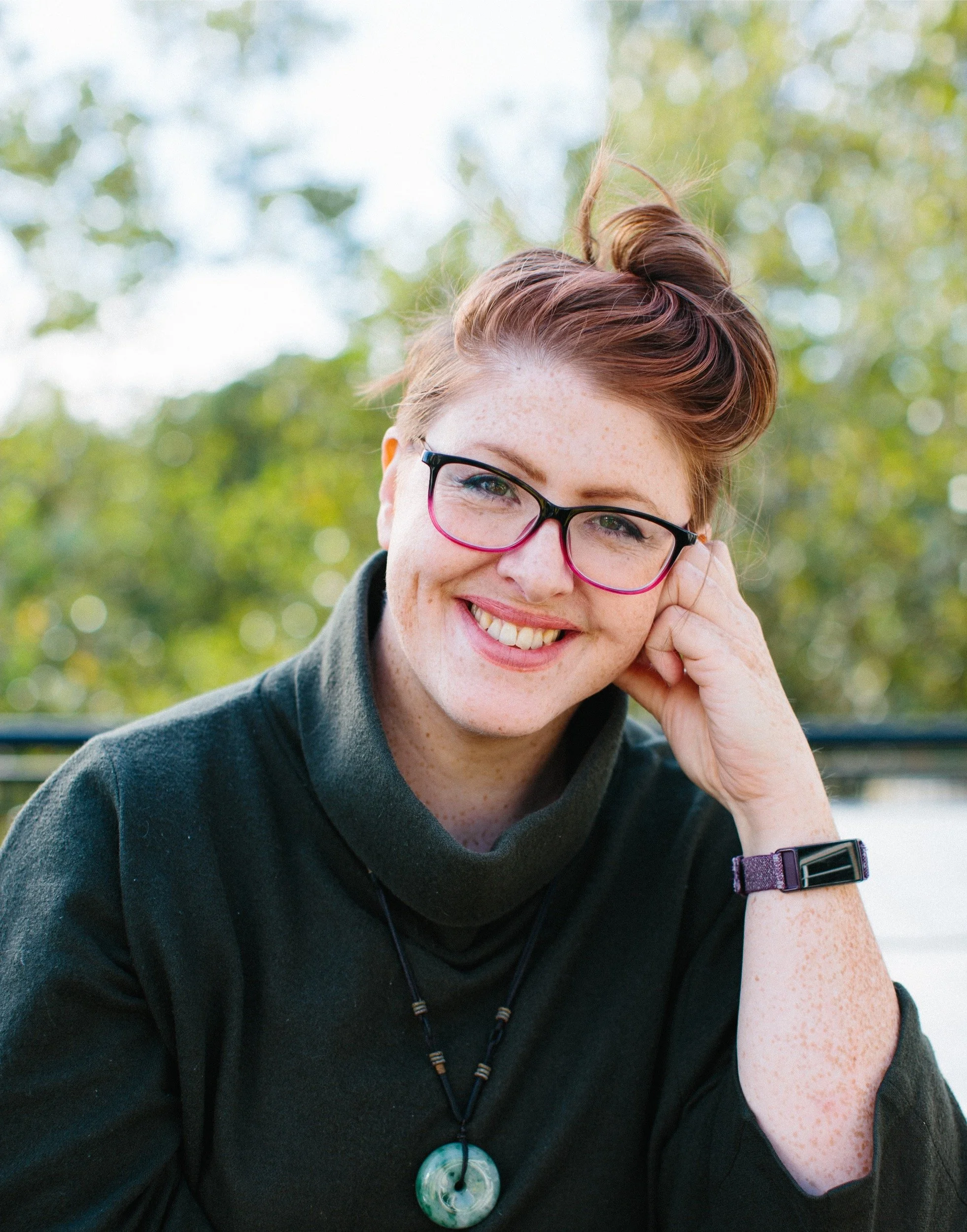
A conversation with Jenny Chamarette, Head of Culture & Operations at DO+CO
DO+CO has grown slowly and deliberately, from a small team into a practice where everyone is encouraged to contribute, develop their skills and have a voice in how the studio evolves. For Jenny, that means creating a culture where people are treated as individuals rather than expected to fit a particular mould.
“Fairness doesn’t mean expecting everybody to behave in the same way.”
Giving people a voice
One of the things Jenny values most about working at DO+CO is the opportunity for everyone to contribute.
“Everybody gets to contribute design ideas. People contribute to conversations about the vision and mission of the business, future directions and design decisions on projects.”
That involvement starts early in someone’s career. Rather than being confined to one part of a project, team members can experience the process from early design through to completion.
“For someone starting out, that whole-project experience can be incredibly valuable. You’re not just doing one stage repeatedly. You get to understand how a project actually comes together.”
It also means people can see their ideas having an impact.
“That sense of having a voice, and having the capacity to influence things, is really important to us.”
Creating space to grow
DO+CO has always grown organically, and Jenny believes that approach has helped shape a more personal studio culture.
“Every time someone new comes in, there’s change because we’re shaping the practice around the unique qualities of the people who are part of it.”
Career development is part of that. The practice has developed a career progression framework covering the different stages someone might move through during their time at DO+CO.
But Jenny believes the conversations around progression are more important than the framework itself.
“It’s about having ongoing conversations. What do people need? What do they want? Where would they like to go? And how can we help make that happen?”
Flexibility means recognising differences
For Jenny, a good workplace shouldn’t expect everyone to work in exactly the same way.
“People work differently. They have different responsibilities, different strengths and different ways of working. We benefit from that diversity.”
That’s why flexibility is about more than simply where someone works.
“Fairness doesn’t mean expecting everybody to do exactly the same thing. In fact, expecting everybody to behave in exactly the same way can be the most inequitable thing you can do.”
DO+CO’s approach includes a 37.5-hour working week, no expectation of overtime, enhanced family-friendly policies and a two-week winter closure.
“It’s about respecting that people have lives outside work. You should be able to grow and develop as an architect and have a life.”
Keeping architecture enjoyable
Architecture can have a reputation for being too serious. Jenny thinks that’s something worth challenging.
“There’s this image of the architect who takes themselves terribly seriously, and that’s not all architecture can be. It’s not what we want it to be.”
Instead, Jenny talks about serious play: creating space for experimentation, curiosity and new ideas.
“Serious play can be really innovative and exciting. I hope we bring some of that.”
That might mean studio trips and social events, but it’s also about creating an environment where people genuinely enjoy working together.
“We’re a sociable practice. We like that.”
Sustainability starts with people
For DO+CO, sustainability extends beyond the buildings the practice designs. That means considering procurement, waste, energy and materials, but also the wellbeing and agency of the people who work at the practice.
“It’s very hard for unhappy people to make good choices about sustainability. Misery at work is not sustainable.”
For Jenny, creating a genuinely sustainable practice means giving people the confidence to speak up, challenge decisions and contribute to conversations about the future.
“Ensuring that people are well taken care of and feel they have the agency to talk about what matters, including environmental and planetary matters, is the basis of how we run.”
Always learning
Ultimately, Jenny doesn’t see studio culture as something that can ever be finished.
“Sustainability isn’t a destination. It’s a journey and a process.”
The same applies to the way DO+CO works.
The practice continues to question its processes, learn from its people and look for better ways of working.
And perhaps that is the most important part of its culture: creating a studio where people can contribute, develop, challenge each other, do good work and enjoy doing it.
Because good architecture is made by people. And how those people work matters.